

Imagine sailing a small boat on an unpredictable ocean. Some days the water is calm, and the sun kisses your face. Other days, dark clouds gather, and the sea rages, throwing waves that threaten to capsize you.
This is life with Type 1 diabetes. A never-ending voyage where insulin is both the life raft and the storm itself.
What Type 1 Diabetes Really Is (And What Insulin Isn't)
For those unfamiliar, insulin is not a cure for diabetes. It is a tool. A precarious, necessary and often unforgiving one.
Type 1 diabetes occurs when the immune system mistakenly destroys insulin-producing cells in the pancreas. Without insulin, the body cannot regulate blood sugar, leading to dangerously high glucose levels (hyperglycaemia). But insulin is not a perfect fix. Too much, and blood sugar drops too low (hypoglycaemia), which can lead to seizures, unconsciousness and, in severe cases, death. It is frightening, and we don't like to talk about this. Even thinking about it is too much. But it is a real threat we live with every minute. Too little insulin, and the body becomes damaged. Without any insulin, the body shuts down within hours.
Insulin is vital for life. It's a constant balancing act, a dance with potential disaster, performed every single day.
The Daily Storm: A Sea of Calculations
Managing Type 1 diabetes means making hundreds of extra decisions every day. Studies suggest that people with T1D make an average of 180 more health-related decisions daily than those without the condition. These include:
- Calculating insulin doses based on carbohydrate intake (recalculated every single time we eat).
- Monitoring blood sugar levels multiple times a day.
- Adjusting for exercise, stress, illness and hormonal changes.
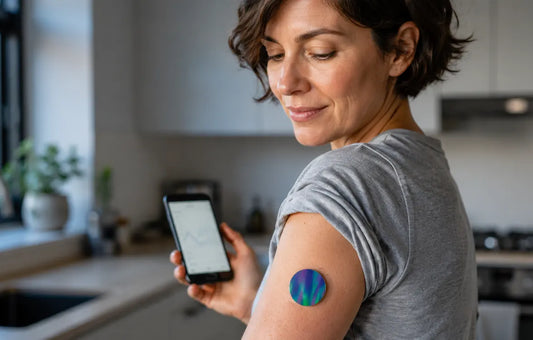
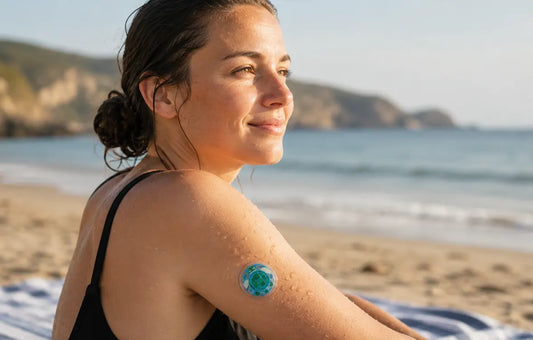
- Changing insulin pump sites or CGM (continuous glucose monitor) sensors.
- Waking in the middle of the night to correct high or low blood sugar levels.
Each calculation must be precise, yet the body does not always behave predictably. A meal that required one unit of insulin yesterday may require two today. The same workout that lowered blood sugar last week may spike it today due to stress hormones. No two days are alike, making T1D management a relentless, 24/7 endeavour. And if you are managing a child's blood sugar, growth hormones add yet another layer of unpredictability.
Stories like Storm's remind us what this community is made of. If you'd like another one, read about the amazing archery twins of Gloucestershire — two siblings managing type 1 diabetes while competing at national level.
Losing the Helm: When Things Go Wrong
Diabetic ketoacidosis (DKA) is a life-threatening condition that can occur when blood sugar runs too high for too long. It's an example of how quickly things can spiral out of control. Meanwhile, severe hypoglycaemia can happen in minutes if insulin calculations are even slightly off. These unseen battles make Type 1 an exhausting fight, both physically and emotionally.
How to Support Someone with Type 1 Diabetes
For those who want to support someone with T1D — partners, parents, friends, teachers, colleagues — here are seven things worth keeping in mind:
- Never ask if they have "stabilised" their condition. Blood sugar is as unpredictable as the sea. What works one day may not work the next.
- Understand that insulin is not a cure. It's a tool that requires careful and constant management.
- Recognise the exhaustion. Managing diabetes happens day and night. There is no escape. Be considerate and understand they may be tired for good reason.
- Offer support, not judgment. Instead of asking why blood sugar is high or low, ask how you can help. Carry a quick-acting glucose snack, offer a glass of water, or just be a listening ear.
- Be aware of emergency situations. Learn to recognise the signs of severe hypoglycaemia and what to do. Learn how to give emergency glucagon and know where it is kept.
- Encourage without pressuring. Whether it's encouraging them to rest or letting them lead their own management, respect their experience and knowledge of their own body.
- Never compare Type 1 diabetes to Type 2. While both involve blood sugar regulation, they are fundamentally different conditions. Type 1 is an autoimmune disease and cannot be prevented. Comparing the two can feel dismissive and frustrating.
And one more, the most important. Never say "I couldn't do it." You would do it if you wanted to be alive and that was the only option. Say instead: "I admire your strength."
Waves: A Patch Designed for the Daily Storm
I designed an overlay patch for T1D devices called Waves, a design featuring a small boat navigating the sea. It symbolises the unpredictability of life with diabetes: the highs, the lows, and the strength it takes to weather the daily storm.
You didn't ask for this storm, yet every single day you fight to keep your ship on course. Waves is a small reminder that even in the roughest waters, you keep sailing forward.

A Message of Hope: Sailing On
Despite the storms, there are moments of calm. Days when blood sugars remain steady, when meals and insulin doses align perfectly. Those moments remind us why we fight, why we stay vigilant.
To those navigating this storm, whether as a person with diabetes, a caregiver or an ally, know that you are not alone. We may not control the sea, but together we can weather any storm.
So keep sailing, keep adjusting, and most importantly, keep holding the helm. Even in the wildest waves, we will find our way forward.
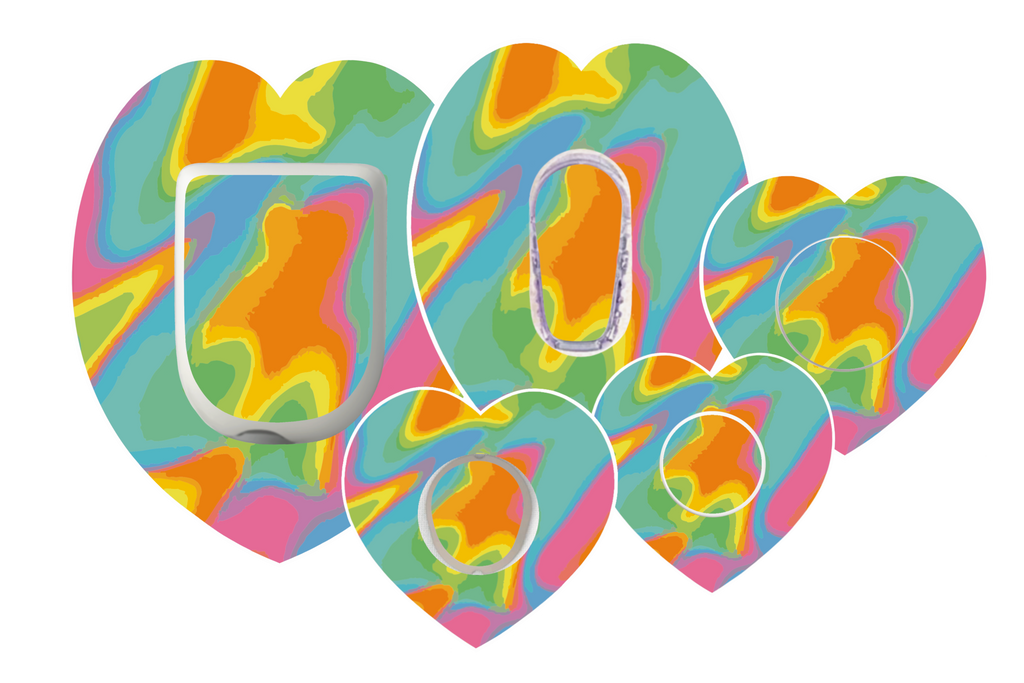
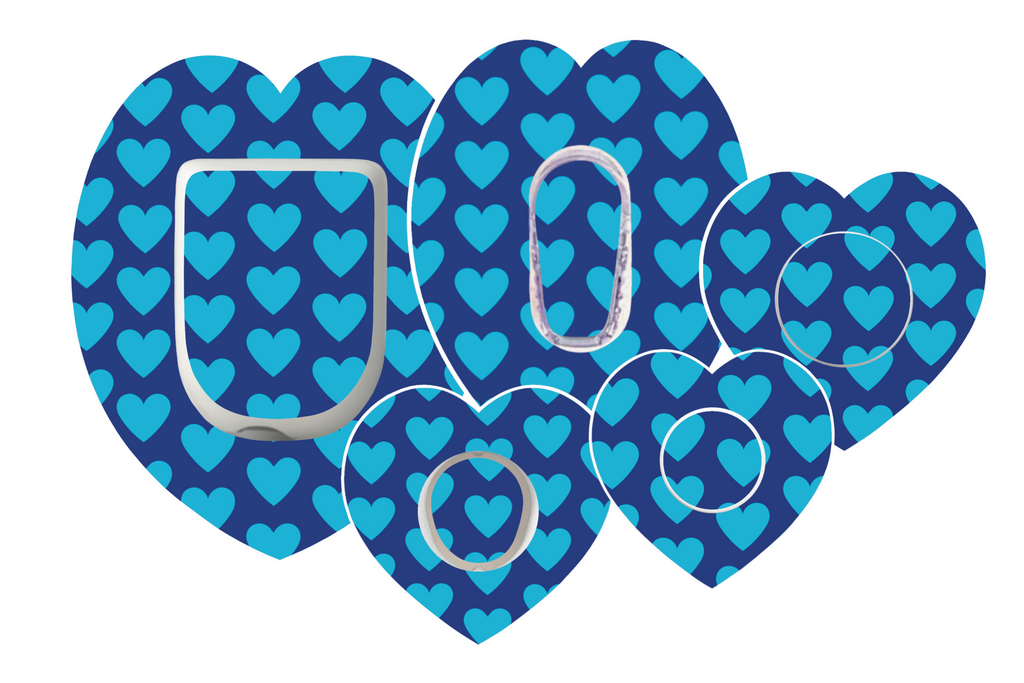
If you want to browse our full range of designs, take a look at our CGM and insulin pump overlay patches.